
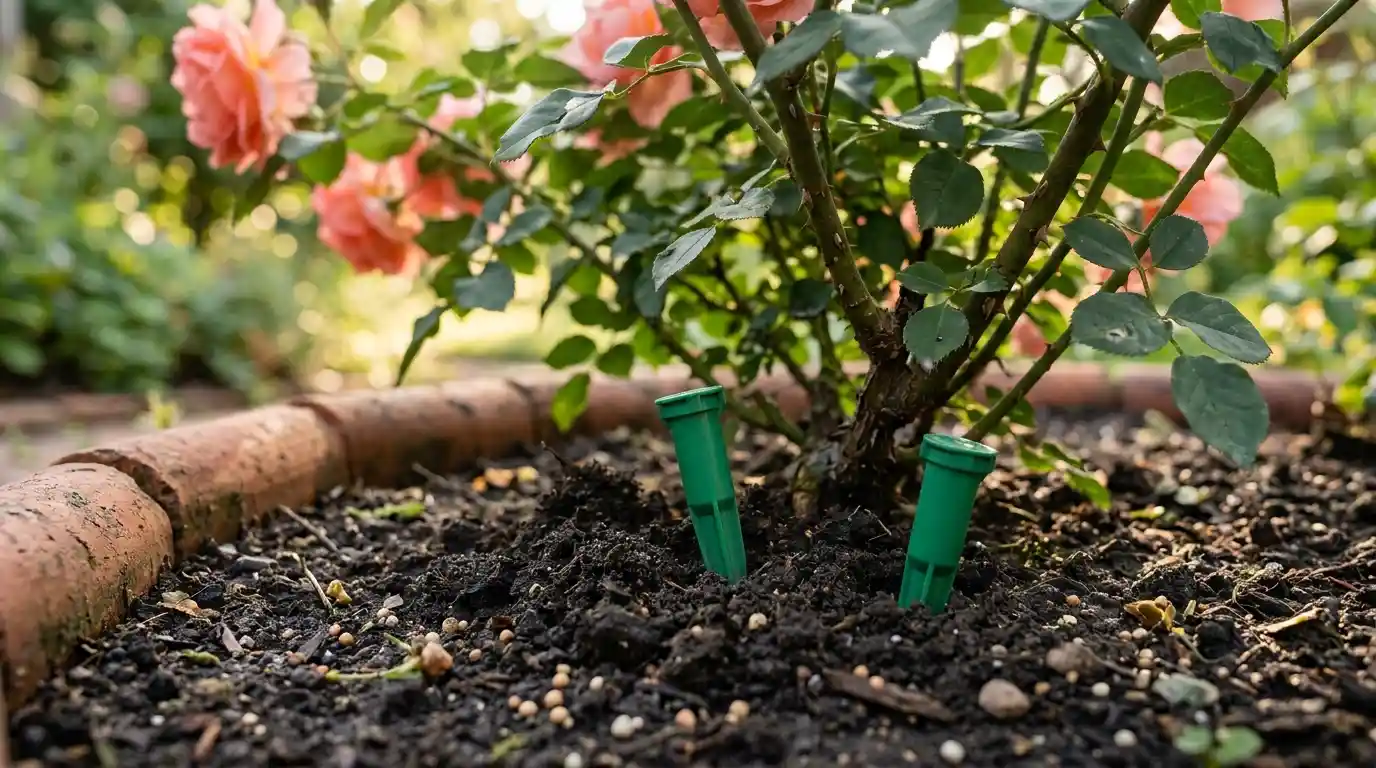

I came across winchester gardens the same way most gardeners do standing in the fertilizer aisle with too many options and not enough information, looking at a bag of fertilizer spikes that promised slow-release feeding without the mess of granules or the frequency demands of liquid plant food. That was a few years back, and the product was the rose fertilizer spikes. I bought them skeptically, used them on a climbing rose that had been struggling with weak blooms for two seasons, and by midsummer had flowers that made me look like I knew what I was doing. I’ve been following the brand since.
Winchester gardens is a family-owned manufacturer of lawn and garden products based in Canal Winchester, Ohio a detail that matters more than it might seem, because it explains both the product philosophy and the pricing. The mission, as the company states it, is superior quality at the lowest possible price, which sounds like marketing until you start comparing NPK ratios and price per application against the larger fertilizer brands and realise the numbers hold up. The brand specialises in three categories: organic fertilizers, water-soluble plant food, and fertilizer spikes particularly tree spikes, which is where they’ve built their strongest reputation among professional landscapers ordering from the landscaper pack bulk cases.
The Product Line That Makes Winchester Gardens Worth Knowing
The fertilizer spikes are the core of what winchester gardens does, and there are more of them than most gardeners realise before they look closely at the range.
Rose fertilizer spikes come in 10-count packs, formulated with slow-release nitrogen that feeds directly at the root rather than broadcasting nutrients across the soil surface. The application method is deliberate: spikes placed in a circle 10 to 12 inches from the stem, one spike per two feet of plant diameter, driven approximately one inch into the ground with a hammer, then left to dissolve gradually through the growing season. Climbing roses use a different ratio one spike per two feet of height rather than diameter. Refeed every eight weeks. That’s the whole routine, and it takes about four minutes per plant.
Tomato fertilizer spikes carry an NPK ratio of 8-24-8 — 8% nitrogen, 24% phosphorus, 8% potassium. The high phosphorus content is the deliberate choice here: phosphorus drives root development in the early stages of plant growth, which is exactly what a tomato seedling needs before it starts setting fruit. Winchester gardens recommends applying at time of planting or early in the season when foliar growth is still the priority. The logic is sound more nitrogen later in the season when plants are blooming encourages leafy growth at the expense of fruit, which is the mistake most first-time vegetable gardeners make with fertiliser timing.
Tree and shrub fertilizer spikes run NPK 15-10-9 and come in 5-count retail packs or 70-count landscaper pack cases for professional applications. The spike design is engineered to dissolve at an even rate rather than releasing everything at once a problem that affects some competing spike products, where the outer layer dissolves fast and the centre releases unevenly. That consistency matters most on the kind of hedge and screening shrubs gardeners choose specifically for fast growing privacy shrubs, where young root systems show patchy growth fast if feeding is uneven.
Fruit and citrus fertilizer spikes sit at 8-18-18, the higher potassium supporting fruit development alongside the phosphorus promoting root zone health. Evergreen fertilizer spikes run 12-10-10, balanced enough for general conifer maintenance without pushing too much nitrogen into a plant type that doesn’t need aggressive vegetative growth to look healthy.
The palm fertilizer spikes at 8-4-8 are the niche product that catches people off guard because palm nutrition is genuinely different from most garden plants palms are sensitive to manganese and potassium deficiency in ways that general-purpose fertilizers don’t address, and the 8-4-8 ratio reflects that. The berry fertilizer spikes 50-count organic packs for blueberries, raspberries, and strawberries are part of the select organics line, which uses all-natural ingredients enhanced with calcium to improve soil quality alongside delivering NPK nutrients.
The Select Organics Line and What Sets It Apart From the Standard Range
The select organics line is where winchester gardens leans into the organic gardening market, and it’s worth understanding the distinction from the standard spike range because the two product categories serve different purposes.
The select organics all-purpose granular fertilizer is formulated for immediate and long-term results simultaneously a combination that’s harder to achieve than it sounds, because most organic fertilizers release slowly while most synthetic fertilizers release fast. The calcium enhancement in the select organics formula serves a dual function: it delivers the mineral that plants use for cell wall development and fruit quality, and it actively improves soil structure over time, which matters more than a single season’s NPK dose for gardeners managing long-term soil health.
The organic berry fertilizer a 3-pound granular bag specifically formulated for blueberries, raspberries, and strawberries uses the same all-natural ingredient base with a targeted NPK profile for fruit-bearing plants that need consistent nutrition across a long fruiting window. The select organics potato granular fertilizer runs NPK 6-3-9, which is the potassium-heavy ratio that potato crops specifically need to develop properly sized tubers without excessive leafy top growth pulling energy away from the root zone.
Application for the granular select organics products follows the same basic approach: sprinkle granules around the base of the plant, water the area thoroughly, repeat as the growing season demands. There’s no spike placement geometry, no hammer required, no soil resistance to work through it’s the right format for vegetable beds and berry patches where the soil surface is accessible and the plants are closely spaced enough that spike placement would be awkward.
Highland Rim Aquatic Fertilizer: The Specialist Product in the Range
The highland rim aquatic fertilizer is the winchester gardens product that most land gardeners don’t know exists, and water garden enthusiasts often seek out specifically because good aquatic plant fertilizers are genuinely hard to find at reasonable prices.
Highland rim tablets were developed by a water garden nursery with a worldwide reputation for aquatic plant quality that origin matters because fertilizer formulated by people who actually grow water lilies and lotuses commercially reflects practical experience rather than a modified general-purpose formula applied to pond plants. The 10-gram tablets are designed for placement beneath the growing media near the roots of the plant, rather than dissolving into the water column, which is the critical distinction in aquatic fertilization nutrients delivered to the water rather than the root zone feed algae more effectively than they feed the plants you’re actually trying to grow.
Application rates follow the plant type: one tab per gallon of pot size during the growing season, once a month for water lilies and lotuses, every six weeks for marginal plants. The 36-count bags cover a small to medium water garden for a full season. The 300-count and 1000-count box formats serve professional pond installation and maintenance businesses where buying retail bags per application would be both impractical and significantly more expensive per unit.
Water-Soluble Plant Food and the Tree-Start Category
The water-soluble plant food line runs two products: the all-purpose fertilizer and the bud and bloom fertilizer, both in 1.5-pound bags. Water-soluble plant food dissolves into liquid form for direct watering application the format that delivers nutrients fastest to actively growing plants, because the roots take up dissolved nutrients immediately rather than waiting for a spike or granule to break down in the soil. The bud and bloom formula is higher in phosphorus relative to nitrogen, following the same principle as the tomato spikes: phosphorus promotes flowering and fruiting, and a fertilizer applied at the right stage of plant development accelerates the transition from vegetative growth to bloom production.
The tree-start fertilizer spikes with low salt index are the product in the range designed specifically for newly planted trees the low salt index specification matters because high-salt fertilizers can damage tender new roots at a stage when the tree is already under transplant stress. Established trees tolerate higher salt indices without visible damage; newly planted specimens don’t, and using a standard tree spike on a freshly planted tree risks the root damage that shows up as leaf scorch or wilting a few weeks after planting.
Root feed tabs round out the specialty category a 10-count pack for root-zone feeding of ornamental and container plants where getting nutrients directly to the root system rather than the soil surface makes a measurable difference in uptake efficiency.
How Winchester Gardens Compares in Practice and Where It Sits in the Market
The Winchester Gardens vs Miracle-Gro comparison is the one that comes up most consistently in gardening forums, and the honest answer is that they’re not really competing products in the same way. Miracle-Gro dominates in water-soluble quick-release formats and in broad consumer recognition. Winchester gardens competes on the fertilizer spike format specifically and on the select organics line, where the all-natural ingredient approach and the calcium enhancement give it a different soil health argument than Miracle-Gro’s primarily synthetic formula makes.
The Winchester Gardens vs Jobe’s comparison is more directly relevant because Jobe’s is the other major fertilizer spike brand at the retail level. The NPK ratios differ by product, and head-to-head reviews from gardeners who’ve used both consistently note that winchester gardens spikes tend to dissolve more evenly than Jobe’s equivalents the even dissolve rate that their tree and shrub spikes are specifically engineered for shows up in practice as more consistent mid-season growth rather than the surge-and-stall pattern that unevenly dissolving spikes can produce.
Availability is the honest limitation worth naming: winchester gardens products are widely listed on Amazon and carried by Home Depot and Lowe’s, but in-store availability varies by region, and some individual products in the range particularly specialty spikes like the palm and potato formulas occasionally appear as temporarily out of stock or difficult to find in specific markets. The wgardens.com website carries the full range directly, including the landscaper bulk pack formats that retail stores don’t typically stock, which is where professional landscapers and serious home gardeners ordering at volume tend to source from.
The 544 customer reviews the brand has accumulated across its eight main product categories reflect consistent satisfaction with the spike format and the select organics quality, with the main negative pattern being product-specific availability gaps rather than performance complaints which is about as positive a signal as an honest review summary tends to produce for a brand at this scale.
Concslusion
winchester gardens earns its reputation through specialization rather than scale, focusing on fertilizer spikes and aquatic plant nutrition instead of competing everywhere at once. The Ohio-based brand built its strongest case around even-dissolving spikes, a calcium-enhanced organics line, and the niche highland rim aquatic tablets few competitors bother making well. Against Jobe’s and Miracle-Gro, winchester gardens doesn’t try to outmuscle bigger names on shelf space; it wins on formulation consistency and per-application value. The biggest catch is availability, since specialty spikes occasionally go out of stock regionally, pushing serious buyers toward wgardens.com or landscaper bulk packs. For gardeners who want targeted nutrition without guesswork, winchester gardens remains a dependable, if quietly distributed, choice.
Frequently Asked Questions (FAQ’s)
Winchester Gardens is a lawn and garden product manufacturer known mainly for fertiliser spikes, organic fertilisers, and speciality plant nutrition products. Its range includes options for roses, vegetables, trees, shrubs, berries, aquatic plants, and general garden use.
Winchester Gardens fertiliser spikes provide slow-release feeding directly near plant roots, while liquid plant foods deliver nutrients faster through watering. The better option depends on whether you prefer longer-lasting feeding with less frequent application or quicker nutrient availability for actively growing plants.
Rose fertiliser spikes are placed around the plant’s root zone rather than scattered on the soil surface. The recommended method is to position spikes in a circle around the rose, push them into the ground, and allow them to dissolve gradually throughout the growing season.
Winchester Gardens, Miracle-Gro, and Jobe’s focus on different strengths. Miracle-Gro is widely recognised for water-soluble fertilisers, while Winchester Gardens stands out for fertiliser spikes and its organic product range, with Jobe’s being a closer comparison in the spike category.
Winchester Gardens products are available through retailers such as Amazon, Home Depot, and Lowe’s, although availability can vary by location. The company’s website also offers its full product range, including bulk packs for professional landscapers and larger garden projects.
