
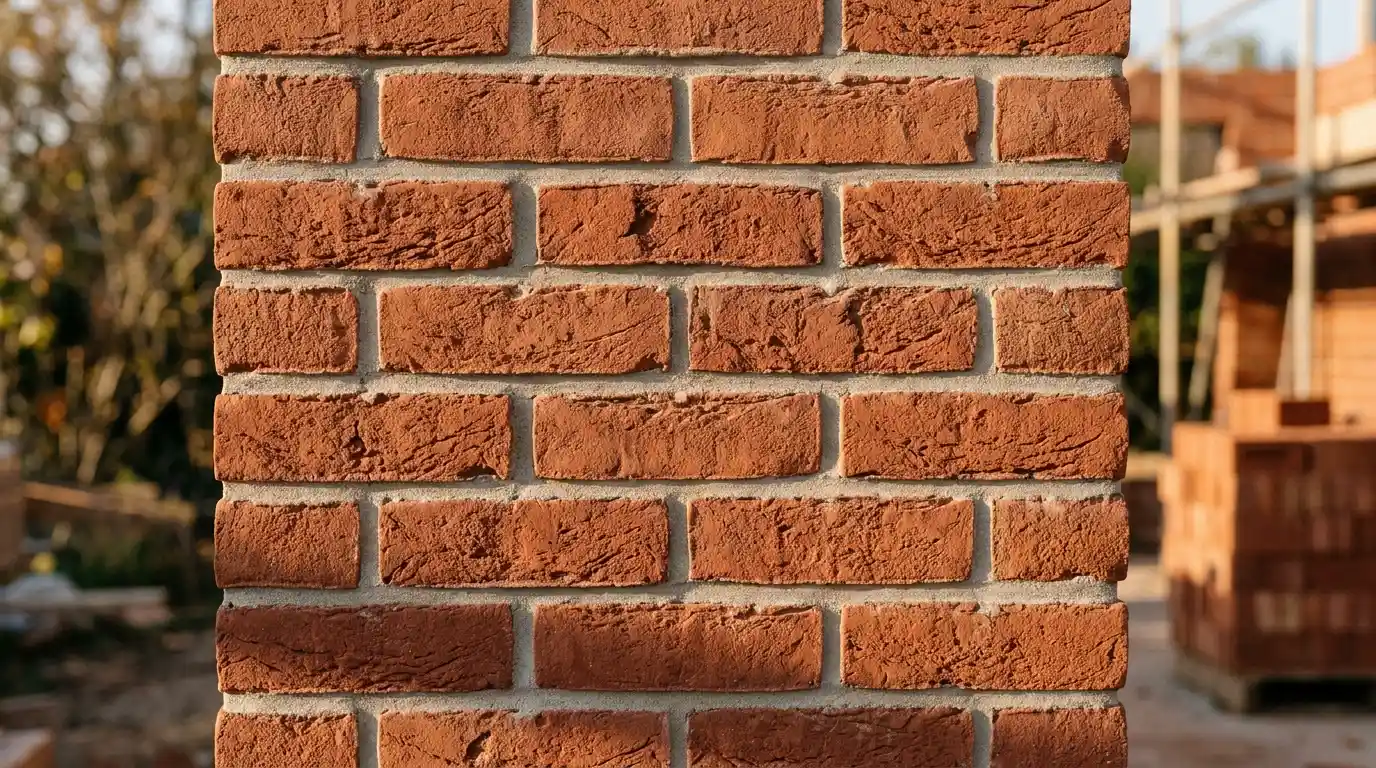

There’s a particular satisfaction that comes from running your hand along a well-laid brick wall one where the mortar joints are tight, the coursing is dead level, and the whole thing looks like it’s been standing since before anyone alive was born. I’ve felt it on Victorian terraces in the North of England, on garden boundary walls in Toronto suburbs, and on brownstone facades in Brooklyn where the brickwork tells a story of craftsmanship that modern cladding simply can’t replicate. That feeling, though, is earned. It starts not at the trowel, but at the material decision which type of brick, for what purpose, in what climate, at what realistic cost. Most people collapse this into one question. It’s actually four separate ones, and confusing them is why so many walls crack, spall, or require repointing within a decade of being built.
Clay Bricks, Concrete Bricks, Fly Ash Bricks — the Material Decision That Follows You for Decades
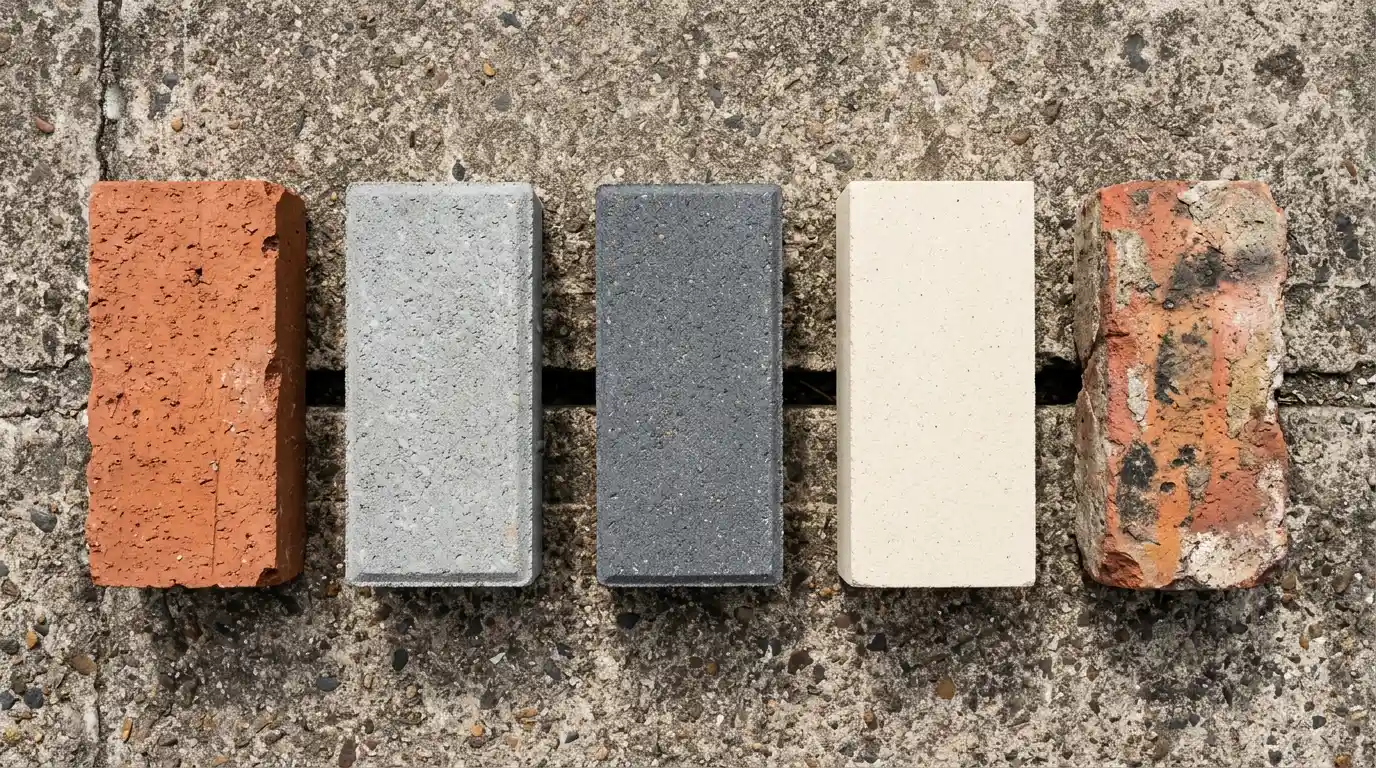
Clay bricks are the ones people picture instinctively. Burnt clay bricks made by excavating raw clay, tempering it with water, moulding by hand or machine, and kiln firing at high temperature are the most commonly used in residential construction globally, and they’ve held that position for good reason. High compressive strength, natural texture, excellent fire resistance, and a longevity that outlasts the buildings they’re sometimes stripped from. Reclaimed bricks from a Victorian terrace demolition will often be structurally sounder than a cheap new brick from a catalogue. That said, quality depends heavily on where they’re manufactured and how consistently the kiln firing is controlled. Not all clay bricks are the same, and buying on price alone almost always reveals that lesson through spalling or water absorption within the first frost cycle.
Concrete bricks are smoother and more uniform the preferred choice wherever a clean finish matters or where load-bearing uniformity is critical. They absorb less water than standard clay bricks, which makes them particularly suitable for boundary wall construction in high-precipitation zones. I’ve seen them used effectively on cavity wall builds in Ireland and on structural walls in Australian housing developments where the combination of heat and intermittent heavy rain demands a material that won’t cycle through expansion and contraction without consequence. Concrete bricks offer 30 to 40 percent savings over premium clay options when budget is the controlling factor, which in commercial construction, it frequently is.
Fly ash bricks are the option the construction industry underuses and homeowners rarely hear about. Made from fly ash the fine waste residue from coal-based thermal power plants combined with Portland cement and water, they’re lightweight, eco-friendly, and genuinely good at resisting water seepage and cracking. Their reduced load makes them particularly well-suited to high-rise buildings and multi-storey construction where cumulative dead load matters structurally. They’re not a replacement for engineering bricks in demanding structural applications, but for partition walls, internal walls, and raised garden beds, they perform exceptionally well at a price point that makes the project viable.
Sand lime bricks sit in their own category pressed under high pressure in steel moulds, then autoclave cured through steam for 8 to 12 hours without kiln firing. The result is a brick with a smooth finish, precise uniform size, and good sound insulation characteristics. For decorative facades and multi-storey buildings where dimensional consistency matters during coursing, sand lime bricks reduce cutting waste and speed up the bricklaying process considerably.
AAC blocks deserve mention as a building material that sits alongside conventional bricks in modern construction. Autoclaved aerated concrete offers thermal insulation properties that clay and concrete bricks don’t match, and in hot climates parts of the American Southwest, Northern Australia, Southern Europe that insulation value reduces long-term energy costs in ways that a simple material cost comparison misses entirely.
Facing Bricks vs. Backing Bricks and Why the Distinction Matters to Your Wall’s Long-Term Performance
The simplest framework for understanding how bricks are deployed in construction is the facing versus backing division. Facing bricks are what you see the exterior surface, the aesthetic layer, the thing that drives 80 percent of material selection decisions in residential projects. Wire-cut bricks, handmade bricks, reclaimed bricks, engineering bricks with their distinctive blue or red high-density finish: these are all facing brick choices. Backing bricks sit behind the face, providing structural support without needing aesthetic appeal. Concrete bricks and standard hollow bricks are the typical backing brick in cavity wall construction.
The reason this distinction matters practically is cost and structural logic. Using handmade bricks which carry a 24 to 40 percent premium over machine-made options and can run to £90 to £300 per m² as backing bricks in a cavity wall is a category error that adds cost with no return. Conversely, using a cheap concrete brick on an exposed garden wall facade in a heritage setting or a period property is the kind of decision that creates visual incoherence that no amount of coping stones or decorative finish can correct.
Perforated bricks and hollow bricks have their own specific applications drainage, lightweight infill, walls where reduced dead load matters and should not be treated as inferior versions of solid bricks. Solid bricks are the conventional load-bearing choice, compact and strong. Perforated bricks are engineered for a different purpose. Using either in the wrong application is a structural and cost mistake that’s worth a conversation with a certified mason before the order goes in.
Single-Skin Walls, Cavity Walls, and the Bond Patterns That Determine Structural Strength
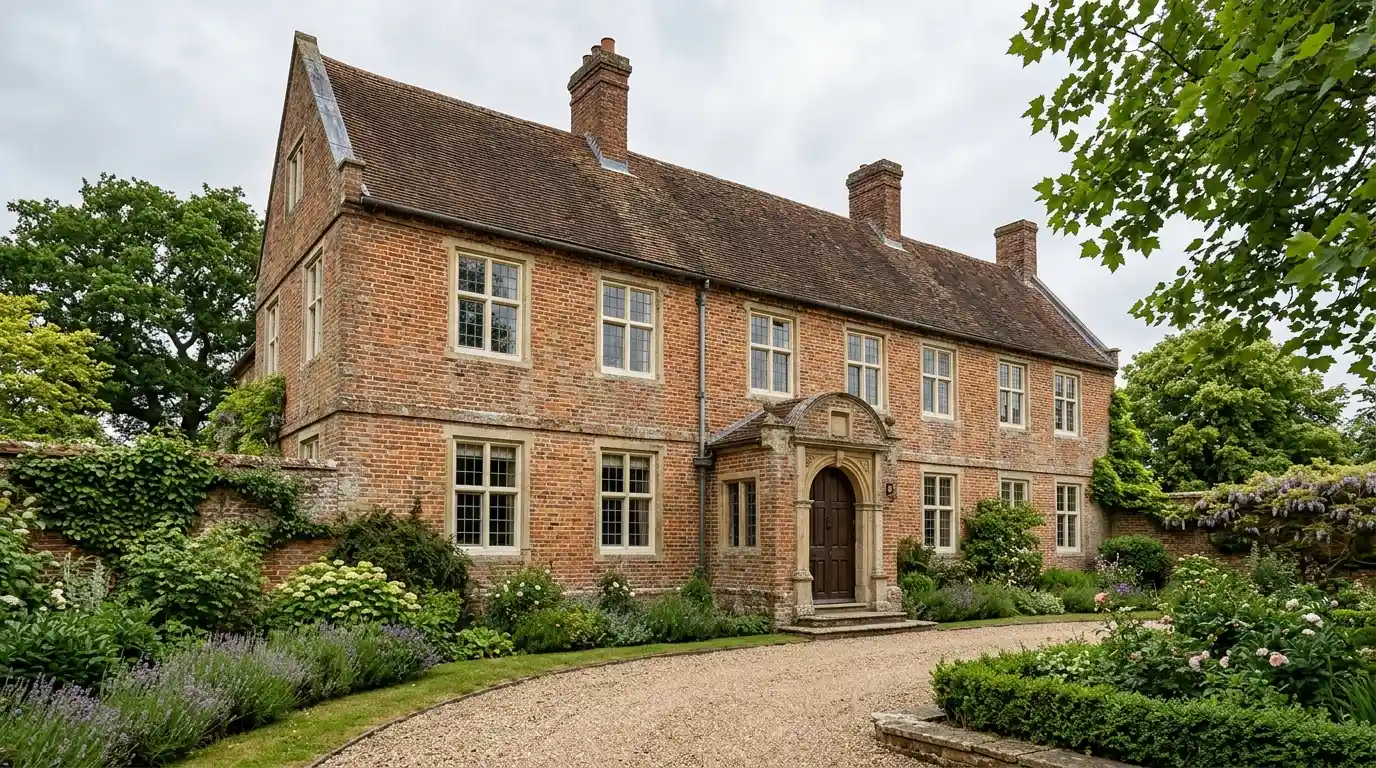
Stretcher bond alternating bricks with each joint offset by half a brick length is the most common pattern in modern construction. It provides the staggered joints that give masonry its compressive strength, and it’s what most bricklayers default to on straightforward residential projects. Flemish bond alternates headers and stretchers in each course, creating a pattern that’s both structurally strong and visually distinctive common in Georgian and Victorian architecture across the UK and in Federal-style American buildings. English bond alternates full courses of headers with full courses of stretchers and is the strongest brick bond pattern for solid brick walls, which is why it’s still specified for retaining wall construction and heavy-load applications where wall thickness matters.
Single-skin walls use roughly 60 bricks per m². Double-skin walls double that figure and require additional foundation width, wall ties connecting the two leaves, and wider concrete footings typically 300 to 600mm wide and 150 to 200mm deep to distribute the load properly. Getting this foundation sizing wrong is the primary cause of settlement cracking in garden walls. The soil condition matters: clay soil with poor drainage under a double-skin boundary wall is a long-term problem that no amount of quality bricklaying at the surface level corrects. The fix lives underground, not in the bond pattern.
Cavity walls the standard in UK residential construction require wall ties at specified intervals, and insulation batts or blown insulation in the cavity for thermal performance. Single skin construction costs run from £100 to £200 per m² in the UK as of 2026. Double skin ranges from £120 to £200 per m². Cavity walls with insulation push toward £215 per m² before labour, which at £32.50 to £37.50 per hour for a skilled bricklayer adds up quickly on anything larger than a garden outbuilding.
Repointing, Tuckpointing, and the Maintenance Reality of Brick Structures
Bricks outlast their mortar. This is the maintenance reality that homeowners underestimate most consistently, and it’s the reason repointing is the most common masonry repair task on older properties more common than cracked bricks, more common than facade issues, and considerably more consequential if left unaddressed than either.
Mortar erosion exceeding one-quarter of an inch, crumbling mortar, voids in joints, step cracking, and loose bricks are all signs that repointing can no longer be deferred. Moisture penetration through deteriorated mortar joints accelerates the rate of brick decay significantly saturated masonry expands and contracts through freeze-thaw cycles in ways that mechanically fracture the brick face over time. In a Victorian terrace or a period property with lime mortar pointing, the additional risk is that someone repoints using cement mortar, which is too strong, too inflexible, and too impermeable for historic brickwork. Cement-based mortar traps moisture behind the joint face and forces it to escape through the brick body instead which is exactly the wrong direction for water to travel in masonry construction.
Tuckpointing differs from repointing in a specific and important way: it matches the colour of fresh mortar to the brick face, then adds a thin line of contrasting putty to create the visual impression of very fine joints. It’s the technique specified for heritage properties, brownstone restoration, and facade restoration projects where the original appearance needs to be preserved alongside structural functionality. The correct mortar mix whether type N with 1 part Portland cement, 1 part lime, and 6 parts sand, or a lime-dominant mix for genuinely historic brickwork determines the long-term success of any repointing work far more than the skill of application does.
Joint raking to a minimum depth of 15mm is the preparation standard. Dampening brick joints before applying fresh mortar is non-negotiable bricks that pull moisture out of fresh mortar too fast create a weak bond at the joint face that fails under the first thermal stress cycle. Mixing mortar in small batches maintains consistency and workability throughout the repointing process, which on a Victorian facade with tight joints and hard-adhering original mortar can be slow, careful work.
What Bricklaying Actually Costs in 2026 — UK, US, and the Factors That Move the Number
UK bricklaying costs in 2026 range from £70 to £300 per m² depending on wall type, material selection, regional labour rates, and site complexity. A simple garden wall 4 metres long, 1 metre high, single-skin starts at £650 in most UK regions and climbs to £850 or more in London and the South East where demand keeps bricklayer day rates at £280 to £300 and hourly rates above the national average. A double-skin wall of the same dimensions reaches £1,500 to £2,000. Load-bearing wall construction adds structural engineering requirements: steel lintel installation runs £300 to £800 per span, and structural calculations from an engineer cost £150 to £500 depending on complexity. Concrete footings at £40 to £80 per linear metre are a line item people consistently forget during initial budget conversations, along with coping stones at £10 to £25 per linear metre and waste removal at £150 to £400 depending on volume.
In the US, building a brick wall costs between $700 and $18,900, with a national average of $5,313. Labour accounts for up to 80 percent of total project cost on brick and stone walls — which means material savings are real but partial, and the skill level of the certified mason or bricklayer carries more weight in the final result than the per-brick price ever does.
For anyone considering reclaimed or handmade bricks: add 10 percent wastage allowance to your brick count before ordering, factor in the 30 to 50 percent material cost premium over standard facing bricks, and budget for additional cutting time in the labour estimate. The visual result on a heritage property or a statement garden feature justifies the spend. On a utility boundary wall at the back of a suburban garden, it rarely does.
Conclusion
Bricks don’t ask for much. Lay them right, bed them on a proper foundation, match the mortar to the material, and they’ll outlast every other decision you made on the build. The problems I’ve seen spalling faces, crumbling joints, walls that lean by the third winter almost never start with the bricks themselves. They start with a rushed material choice, a skipped drainage detail, or cement mortar forced into joints that needed lime. Get those three things right and bricks do exactly what they’ve done for thousands of years: hold. Whether you’re laying a garden boundary wall in Edinburgh, repointing a brownstone facade in Philadelphia, or speccing fly ash bricks for a high-rise in Melbourne, the material rewards the same thing every time a decision made carefully before the first course goes down.
Frequently Asked Questions (FAQ’s)
Common types of bricks include clay, concrete, fly ash, and sand lime bricks, as well as modern alternatives like AAC blocks. Each type has different strengths, water resistance, insulation properties, and ideal applications.
Clay bricks are known for natural appearance, durability, and fire resistance, while concrete bricks offer a smoother finish and better uniformity. They can also be a more budget-friendly option for projects where appearance and consistency are priorities.
The right brick depends on factors such as climate, wall purpose, structural requirements, and budget. For example, fly ash bricks are well-suited to lightweight construction, while stronger bricks may be needed for load-bearing applications.
Facing bricks are selected for the wall’s visible exterior appearance, while backing bricks provide structural support behind the surface layer. Using the correct type for each purpose helps control costs and improves long-term wall performance.
Bricklaying costs depend on wall type, materials, location, and labour requirements. In the UK, prices can range widely from around £70 to £300 per square metre. Additional costs may come from foundations, structural work, and finishing details.

7 thoughts on “Bricks: Types, Costs & What to Know Before You Build”